
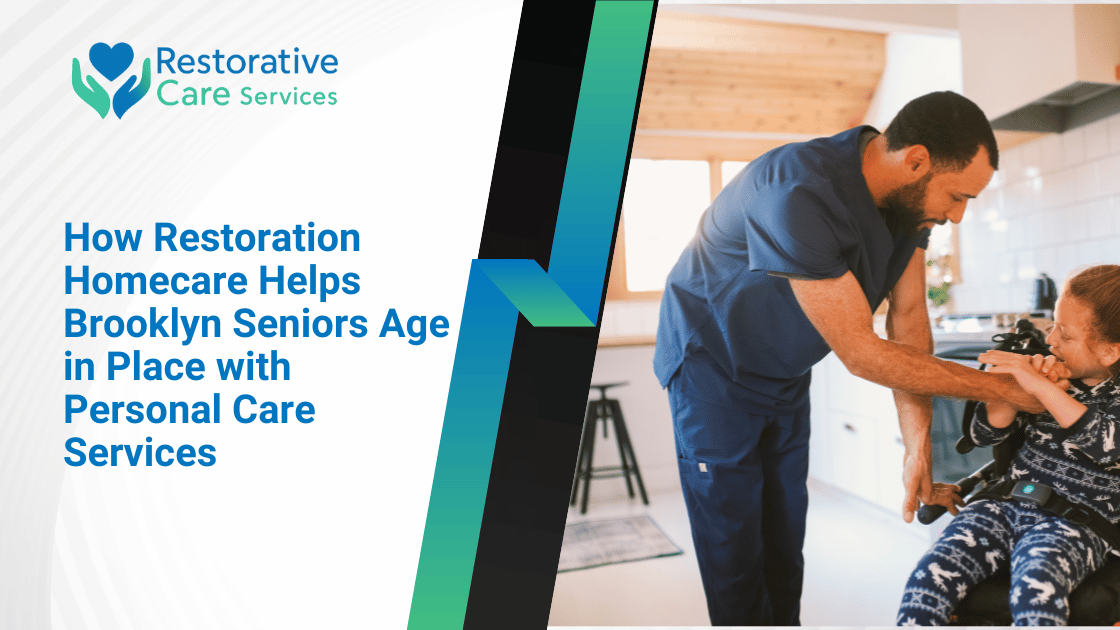
Aging at home feels right when mornings are steady, the bathroom is safe, and appointments stay on the calendar. Yet families often juggle competing schedules, discharge instructions, and changing mobility needs. This guide pulls together practical steps that make Personal Care predictable, shows how Restorative Care connects daily routines to recovery goals, explains Post Surgical Assistance during the first weeks at home, outlines real-world Transportation choices, and maps out Physical Disability Support that keeps independence growing month by month.
What aging in place really needs in Jacksonville
Start with a quick home scan. Look at the bathroom, entryway, and bedroom. Add non-slip mats, brighter bulbs, and grab bars where needed. Then align Personal Care with the times of day that feel most fragile, usually mornings and evenings. Short, repeatable routines lower stress for everyone. If you are already using personal care, pair hands on help with small environmental fixes for a big gain in safety and confidence.
Caregivers often ask when to layer additional supports. If a loved one is recovering after a hospital stay or managing a change in mobility, consider restorative care. Restorative Care organizes tasks around therapy goals so progress continues between formal visits. If you are in the first two weeks after discharge, Post Surgical Assistance sets a calm pace for bathing, dressing, mobility cues, and appointment adherence without overdoing it.
Restorative Care vs Post Surgical Assistance vs Physical Disability Support
Use this mini comparison to pick the right focus for today.
| Focus | Core goal | Who benefits | Typical tasks | Try this today |
| Restorative Care | Continue recovery at home | People transitioning from hospital or therapy | ADL support aligned with exercises and pacing | Five minute warm up and seated stretches before bathing |
| Post Surgical Assistance | Safe first weeks after surgery | People in days 1 to 14 post op | Shower setup, incision hygiene reminders, simple transfers | Pack a go bag for follow ups and schedule the return ride before leaving |
| Physical Disability Support | Long term independence | People who use mobility aids or adaptive tools | Home layout changes, energy conservation, caregiver training | Clear doorways, add a bed rail, and mark a charging station for devices |
These three supports can overlap. For example, a person may start with Post Surgical Assistance, then move into Restorative Care, and finally settle into a steady plan for Physical Disability Support as new habits take hold.
Transportation that keeps appointments on track
Missed visits slow progress and add stress. Write a short Transportation plan and keep it on the fridge. Book rides the same day each week when possible, confirm pickup windows, and list building access notes. If the person benefits from a door to door escort, include that in the plan. Pair Transportation with Personal Care timing so bathing, dressing, and meals finish before the pickup window. For ideas and coordination support, review transportation resources alongside your weekly calendar.
When a care day includes therapy or a specialist visit, add a small checklist. Bring a medication list, questions for the clinician, water, a light snack, and any mobility device. This simple rhythm makes Post Surgical Assistance days calmer and helps Restorative Care carry progress forward between appointments.
Physical Disability Support at home
Think function first. The goal is to make essential tasks doable with less energy and less risk. Start with three zones. In the bathroom, use a shower chair, secure grab bars, and non slip socks within reach. In the bedroom, place a lamp and phone on the nightstand and consider a bed assist rail. In the kitchen, keep frequently used items between shoulder and waist height.
Physical Disability Support grows stronger with routines. Set standing rest breaks on the phone timer. Stage clothes in the order they go on. Place a water bottle at every favorite chair. These small changes add up, especially when combined with consistent Personal Care that fits the person’s pace.
What Personal Care looks like day to day
Here is a simple Personal Care morning routine you can adapt:
- Bathroom setup and quick safety check
- Warm up and slow shower transfer
- Bathing with cueing or hands on help as needed
- Drying, lotion for skin integrity, and dressing assist
- Hydration and a light breakfast
- Short walk or gentle stretching
If recovery is ongoing, a Restorative Care note might say, five minute warm up, safe transfer, shower, then practice three sit to stands. If you are in the immediate post op period, a Post Surgical Assistance note might say, keep water off the incision, use the shower chair, and call the clinic with any new redness or swelling.
People Also Ask style FAQs
How does Restorative Care differ from Post Surgical Assistance at home
Restorative Care aligns everyday tasks with therapy goals so gains continue between visits. It focuses on pacing, safe transfers, and steady practice. Post Surgical Assistance is most useful during the first two weeks after discharge. It emphasizes incision hygiene reminders, careful shower setup, and calm mobility with a plan for follow up appointments.
What Transportation setup avoids missed follow ups
Pre book rides, confirm pickup windows, and schedule the return ride at check in. Keep a meds list and questions sheet in the go bag. If walking long distances is tiring, request door to door help. Pair ride times with Personal Care so bathing and dressing are complete before pickup.
Which Personal Care tasks most reduce fall risk in the bathroom
Set the space first. Use grab bars, non-slip mats, and a shower chair. Add supervised transfers, clothing that is easy to manage, and non-slip socks. Keep towels and toiletries within easy reach to limit twisting.
What does Physical Disability Support look like week to week
Expect gradual adjustments. Add or remove small tools, track energy patterns, and review layout changes quarterly. Keep a short habit list on the fridge. Combine these steps with consistent Personal Care to maintain comfort and independence.
Internal resources to explore
- Learn how restorative routines support recovery at home on the restorative care page.
- See the scope of in home care services, including daily routines and check ins.
- Address loneliness and structure the day with companion care.
- Coordinate rides through the transportation resource page.
- Match help with ADLs on the personal care page.
- Have a question about planning. Use the contact page to reach the team.
Local trust cue
Address for reference and directory consistency
3119 Spring Glen Rd., Suite 106, Jacksonville, FL 32207